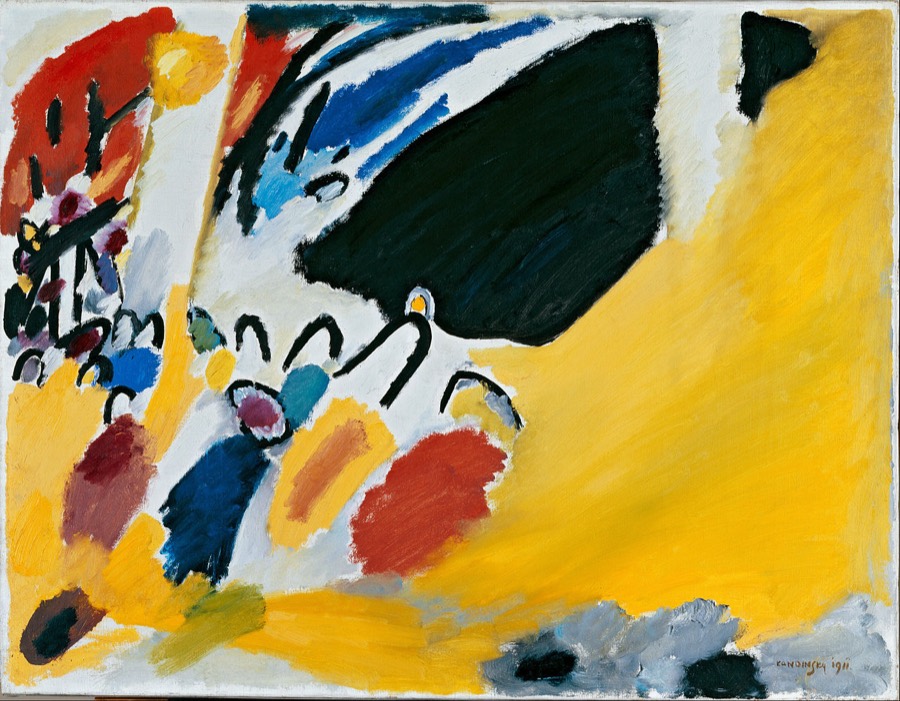
Chromesthesia is the form of synesthesia in which sound produces involuntary experiences of color. A person with chromesthesia hears a saxophone and sees amber, hears E minor and sees deep green, hears a cymbal and sees a white flash at the edge of vision. The colors arrive automatically, the same way every time, and have done so since childhood.
The visual events themselves have a name in the research literature: photisms. Chromesthesia is the condition; the photism is what the person sees.
What the experience is like
Chromesthetes differ in what maps to what. For some, pitch drives the color and a rising scale sweeps through a personal spectrum. For others, timbre dominates: strings have one color family, brass another, regardless of the notes. Keys, chords, and even specific voices can carry stable colors. Loudness commonly maps to brightness or size, and attack to the sharpness of the shape.
Two properties separate all of this from ordinary imagination. The experience is involuntary, appearing without effort or intent. And it is consistent: tested months apart, a chromesthete assigns the same colors to the same sounds with an accuracy that non-synesthetes cannot fake. That test-retest consistency is how researchers verify the condition. Our synesthesia test runs a compressed, honest version of the same method in about two minutes.
Musicians who described it
Chromesthesia turns up constantly in music history. Olivier Messiaen described precise chord-to-color correspondences and annotated scores with them. Duke Ellington spoke of seeing colors for the tones of specific players in his band. Among current artists, Pharrell Williams and Billie Eilish have both described seeing music as color. Whether it nudges people toward music or simply gets noticed more in musicians is an open question. We keep a documented list of famous synesthetes, sorted by how good the evidence actually is.
Why it happens
The leading explanations involve unusually strong connections between auditory and visual regions of the brain, either extra wiring or reduced inhibition of crosstalk that everyone has. Synesthesia runs in families and shows up early in life. It is a stable, harmless variation in perception, and most synesthetes describe it as neutral or actively pleasant.
Chromesthesia and this software
Photism exists because most of us do not have chromesthesia. The device listens to a live audio signal inside Ableton and renders color and structure from what it hears, with the properties the research describes: automatic, immediate, consistent, and driven by the sound itself rather than by a human on a lighting desk.